Timeline
Twenty years, in images
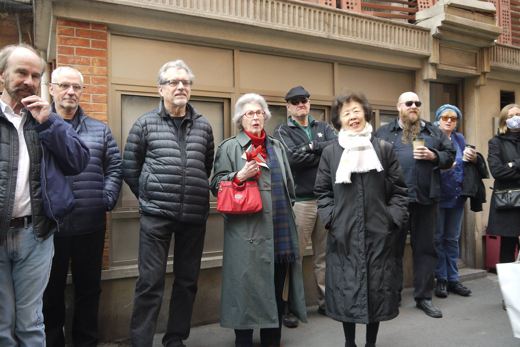
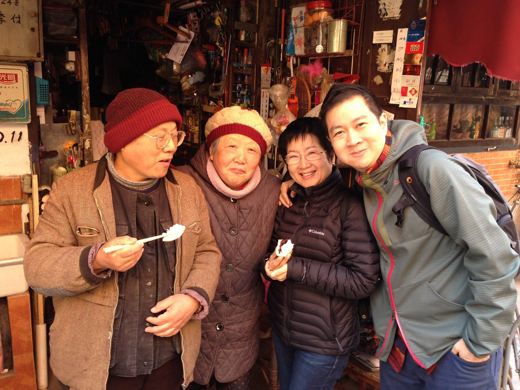
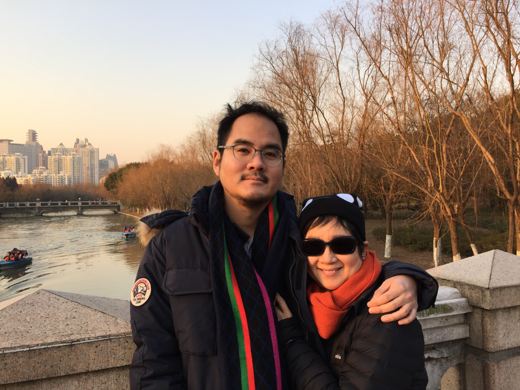
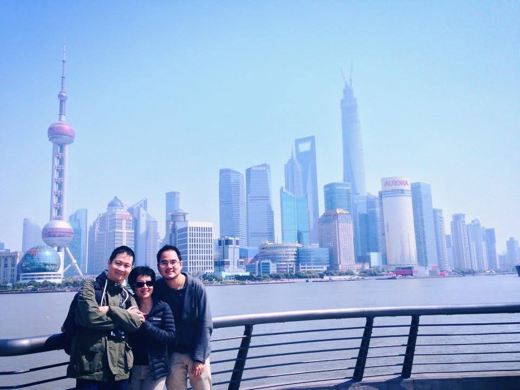
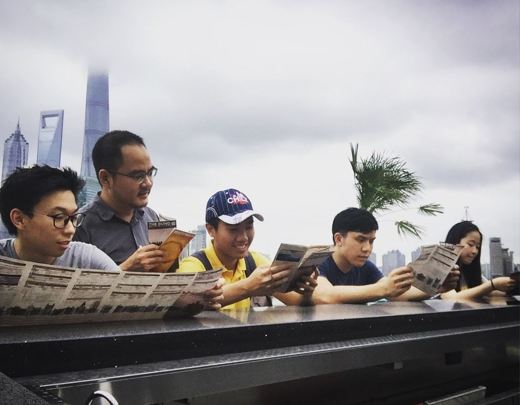
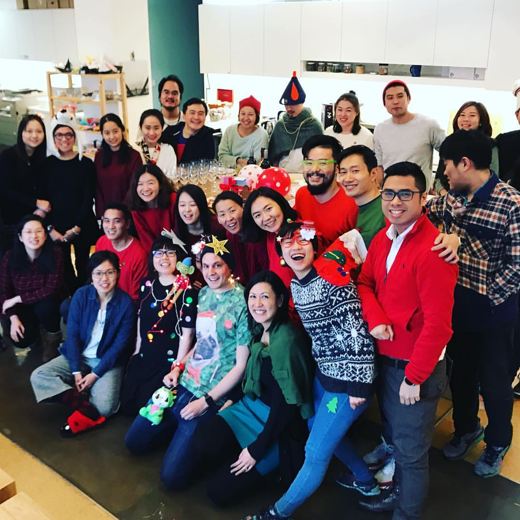
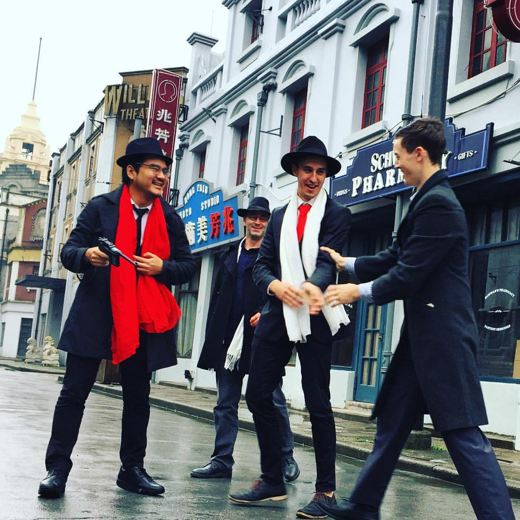
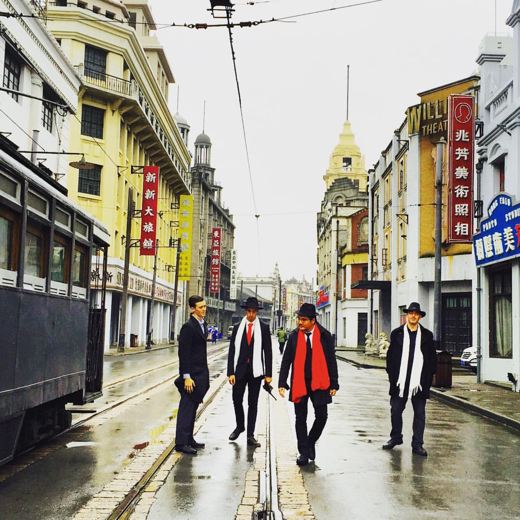
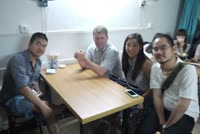
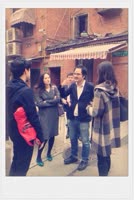
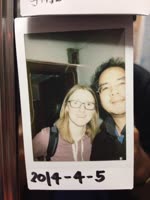
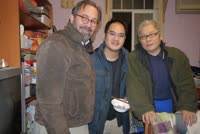
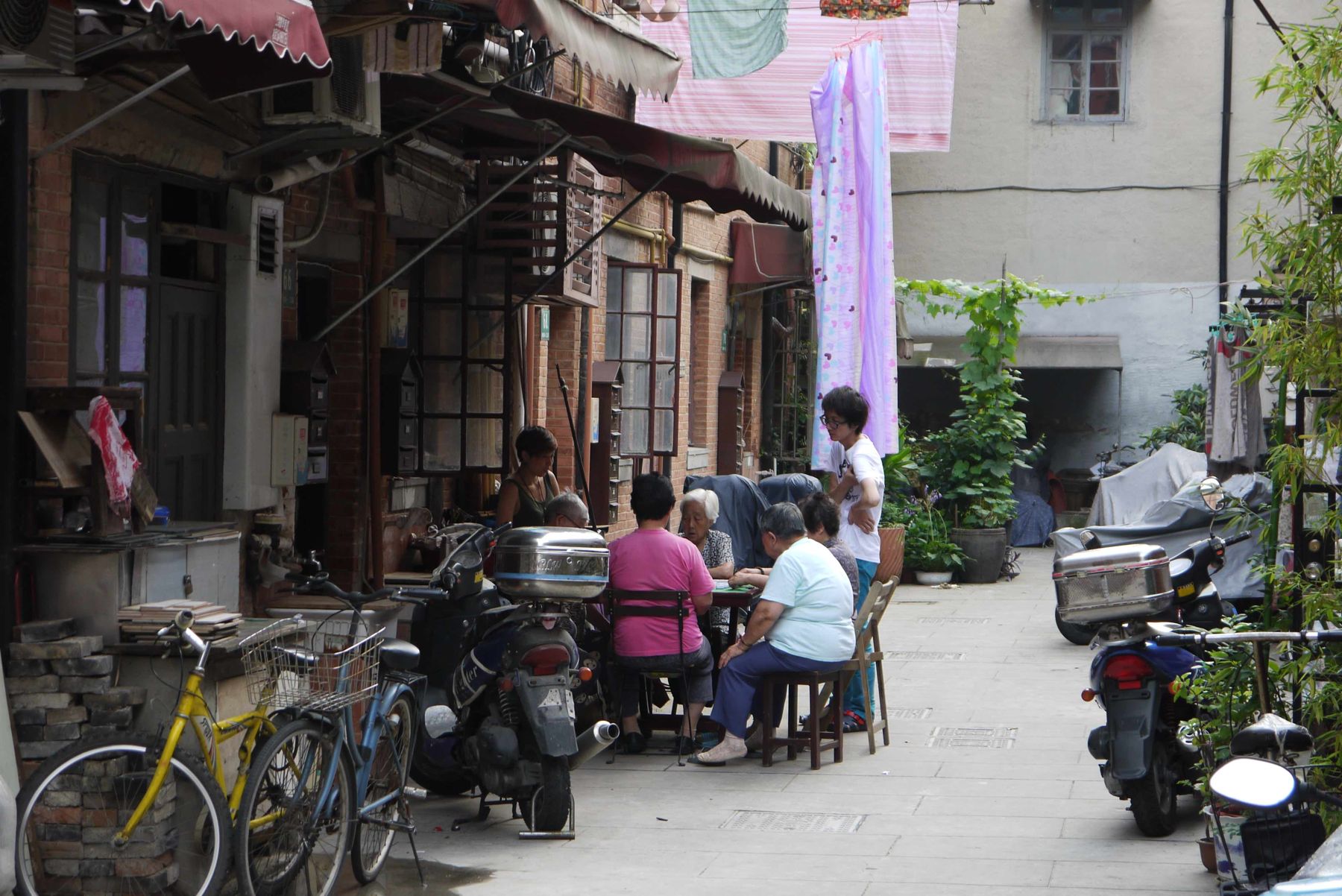
One line, two registers. Above it, the city: 1842 to now, in events and archival images. Below it, the research in images: 134 from 2006 to 2026 — field photographs, archival maps, and illustrations — and the crowding is the story — thick through the fieldwork years, empty while the border was shut, thick again on the return. Swipe through it. Tap any frame to open it, and to step into the chapter it belongs to.
Filter by chapter — tap again to clear
▲ the city, 1842 → · events and archival images
1840s
1842The port is forced open
The Treaty of Nanking ends the First Opium War and opens Shanghai to foreign trade. A medium-sized walled town at the mouth of the Yangtze begins to swell.
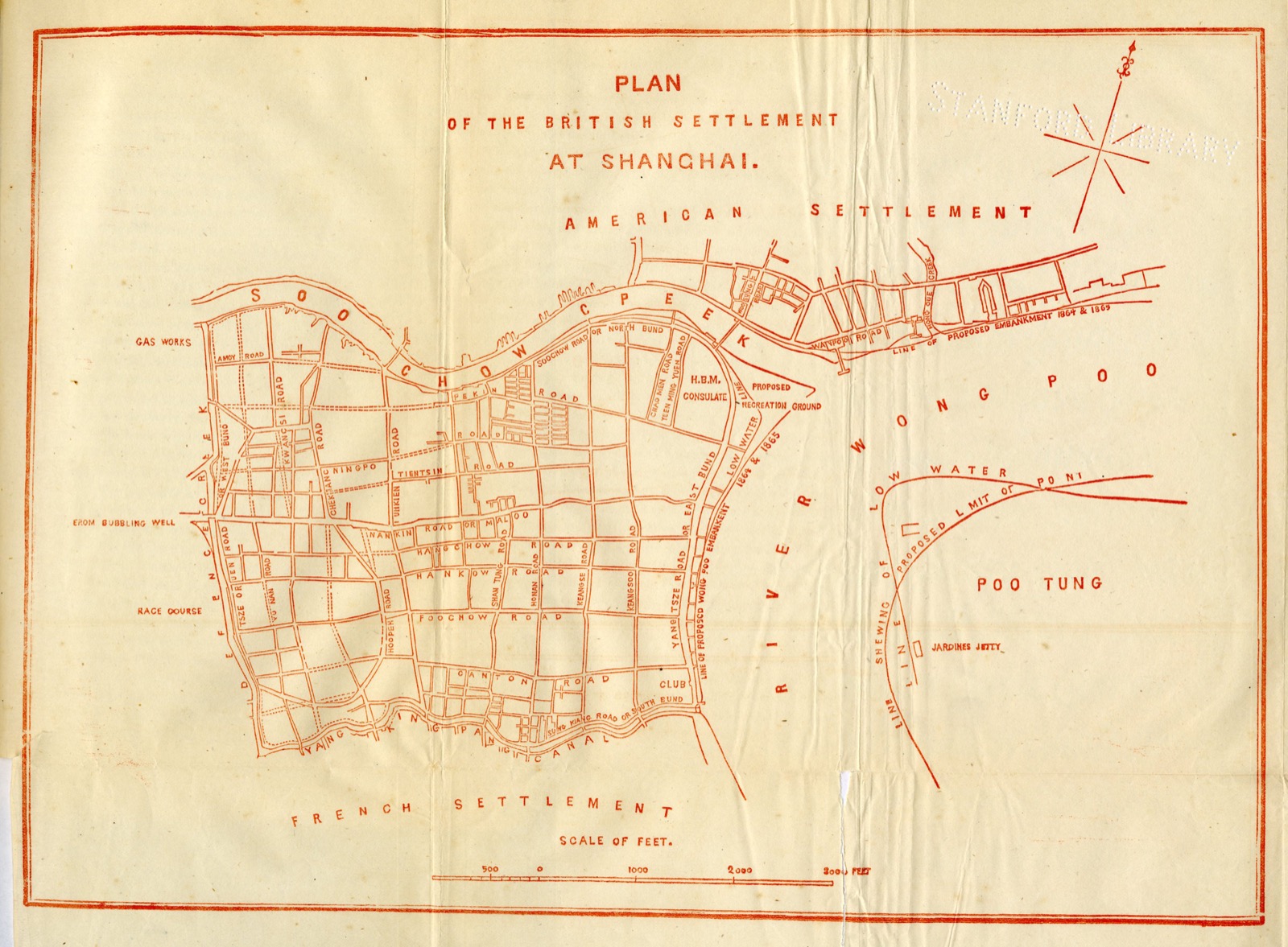
1845The British Settlement
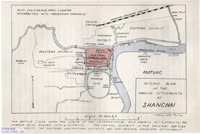
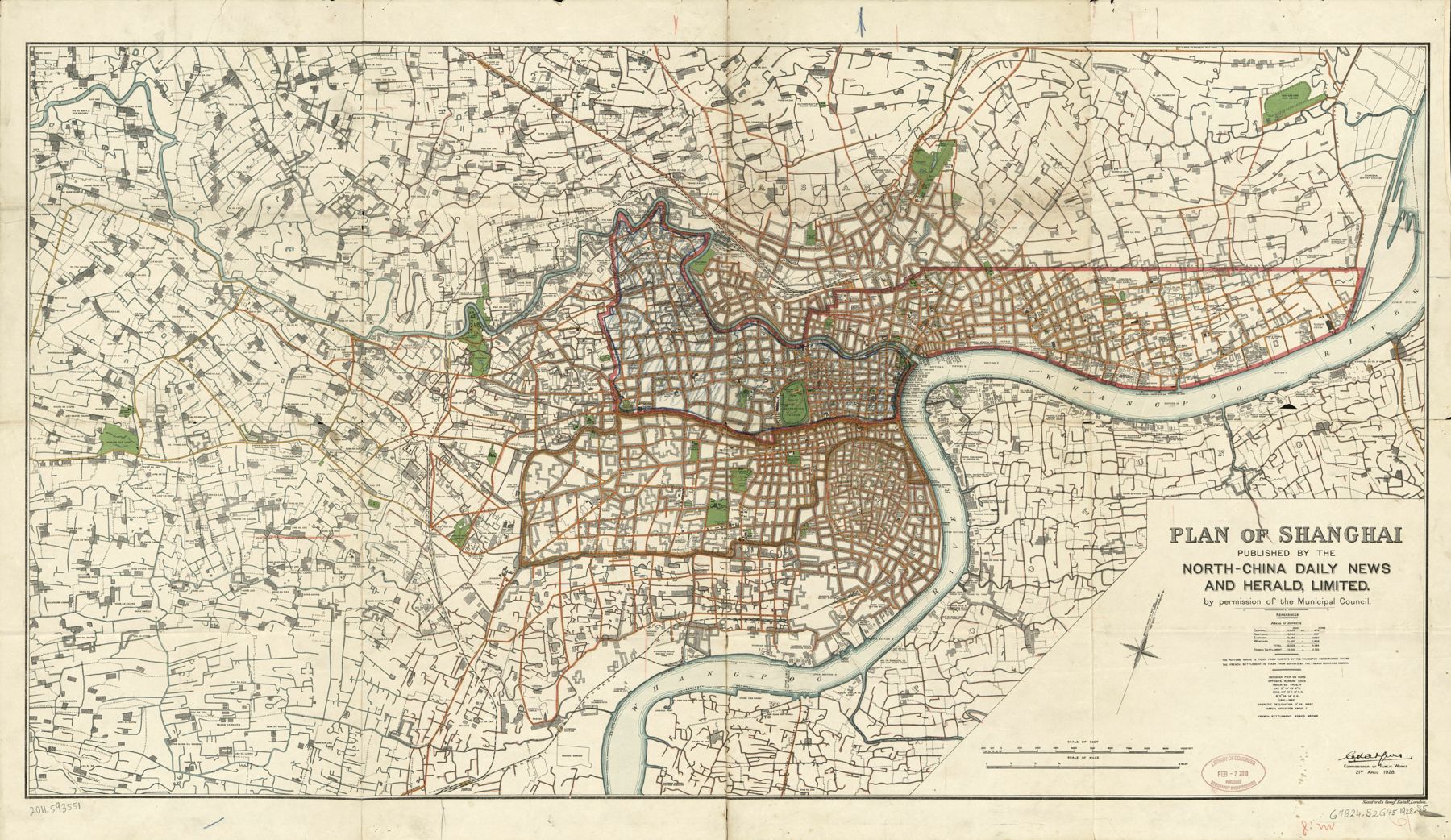
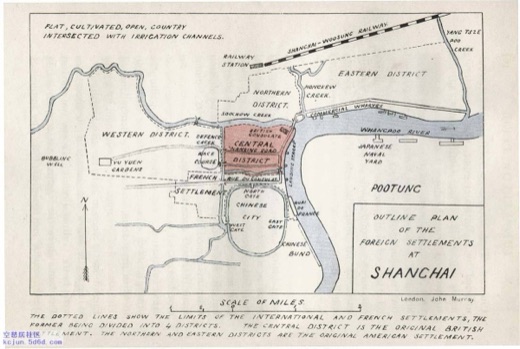
British land regulations set out a settlement north of the walled city, on the rectangular grid that still underlies the upper quarter.
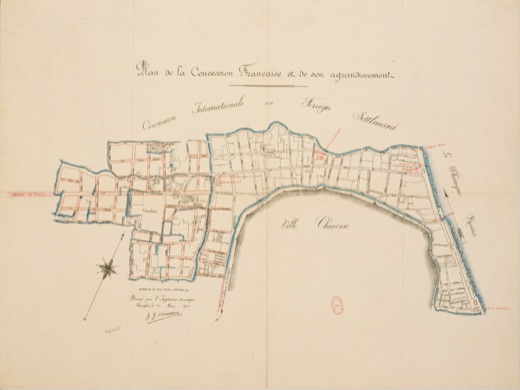
1849The French Concession
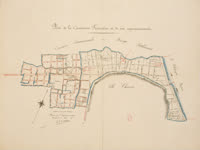
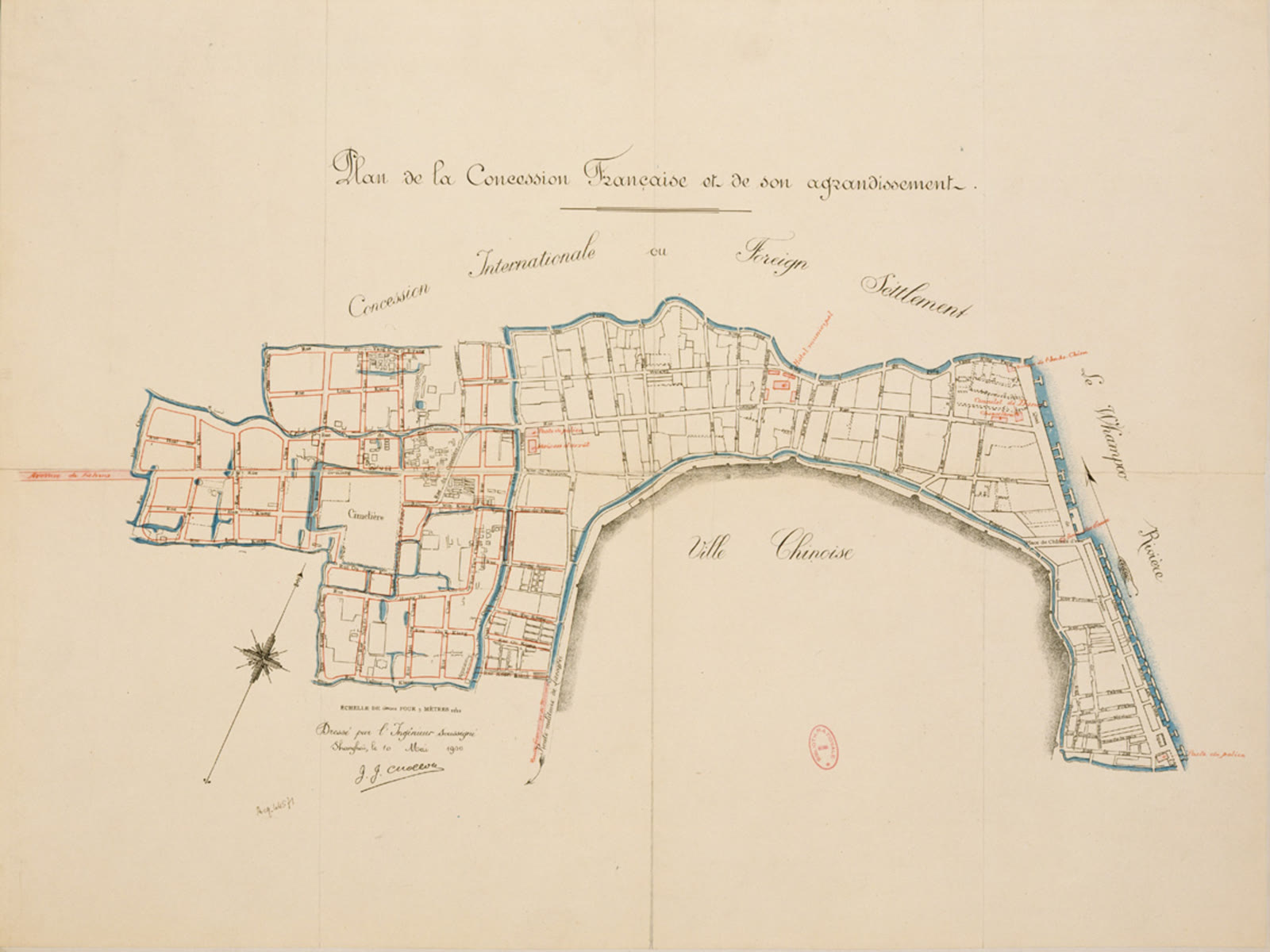
Granted between the British settlement and the walled city; its jagged, negotiated edge is the border Tranquil Light's residents still place the compound against.
1850s1
1853Refugees — and the first lilong
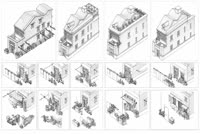
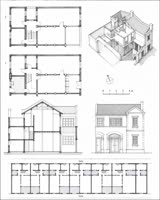
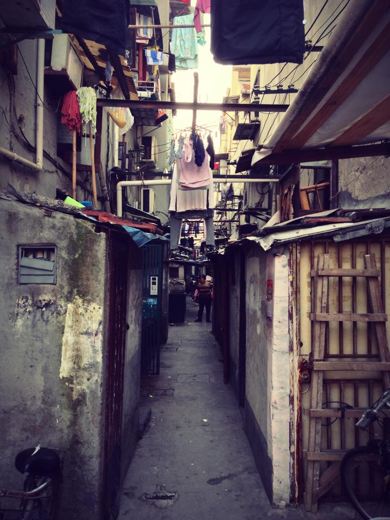
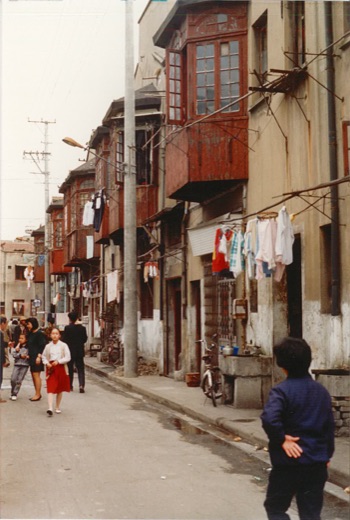
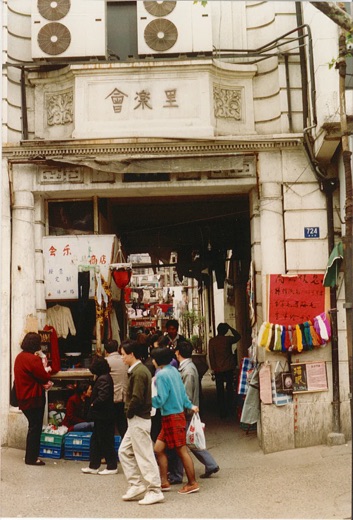
The Small Swords uprising and the Taiping war push refugees into the concessions. Speculative builders meet the demand with terraced rowhouses behind a gate: the lilong is born.
1860s
1863The International Settlement
The British and American settlements merge. Tranquil Light will be built inside it, not in the French Concession to the south — a distinction residents still make unprompted.
1870s
1880s
1890s1
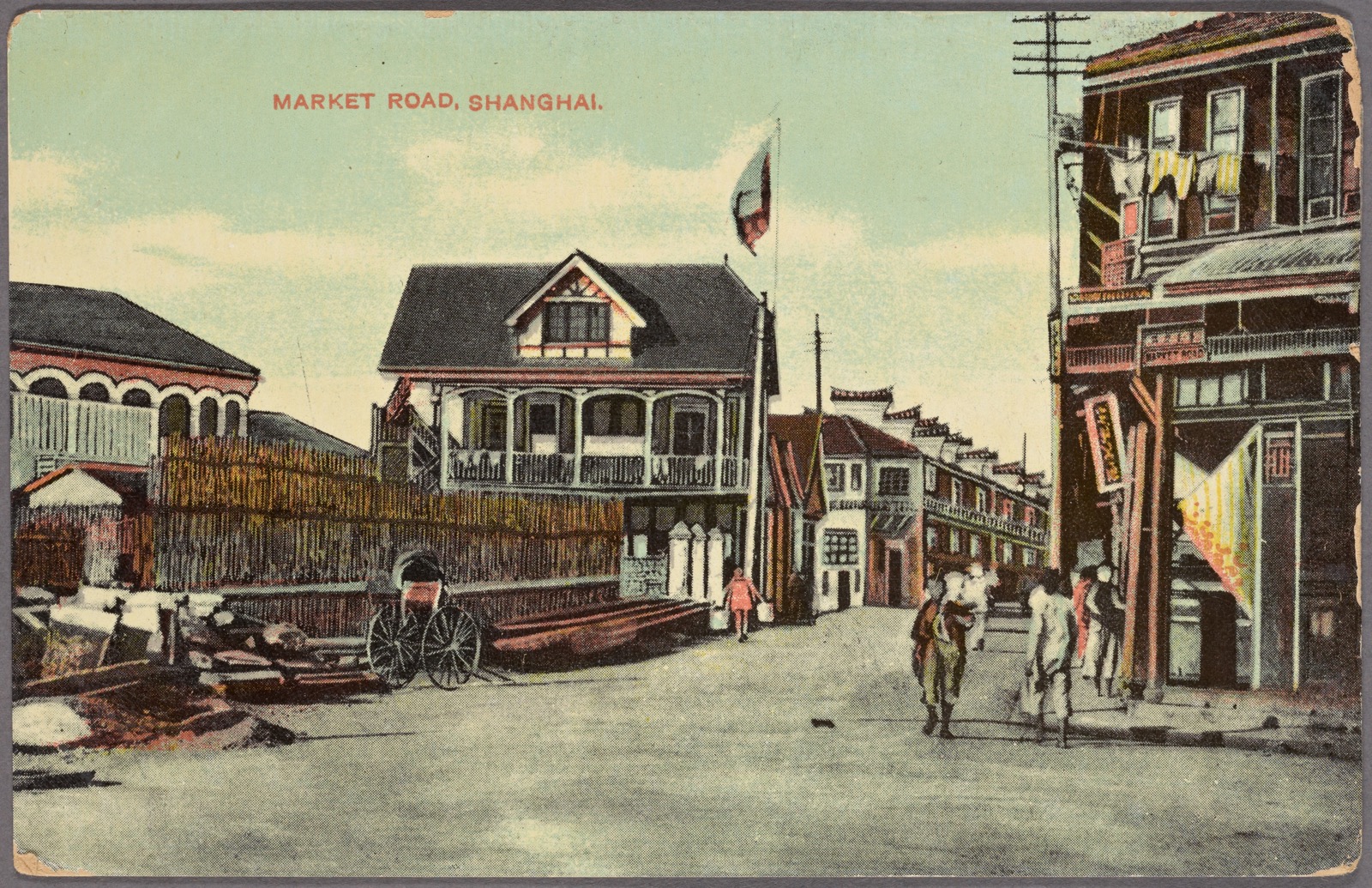
1900s4
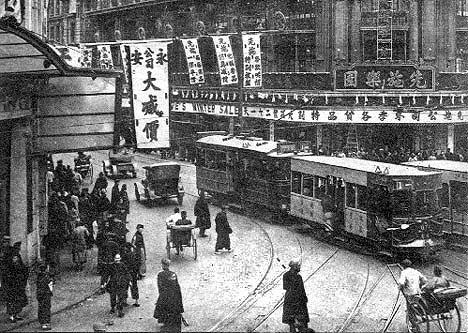
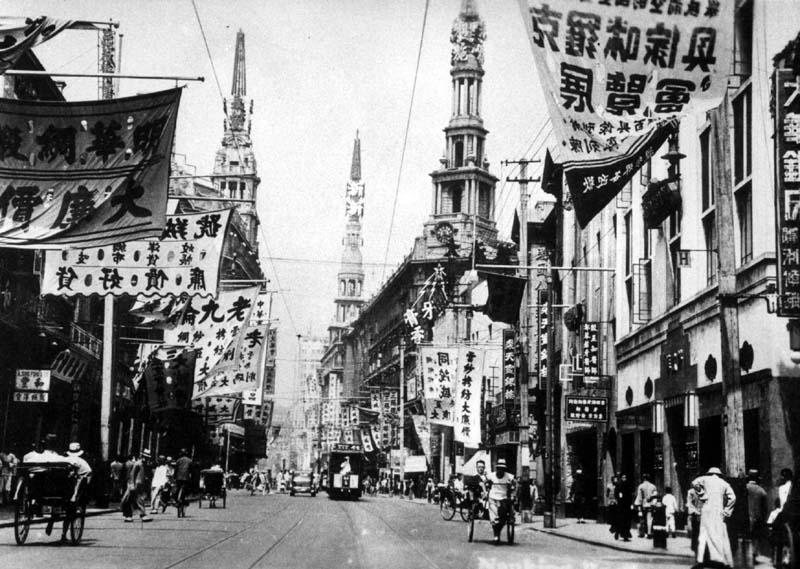
1908The first electric tram
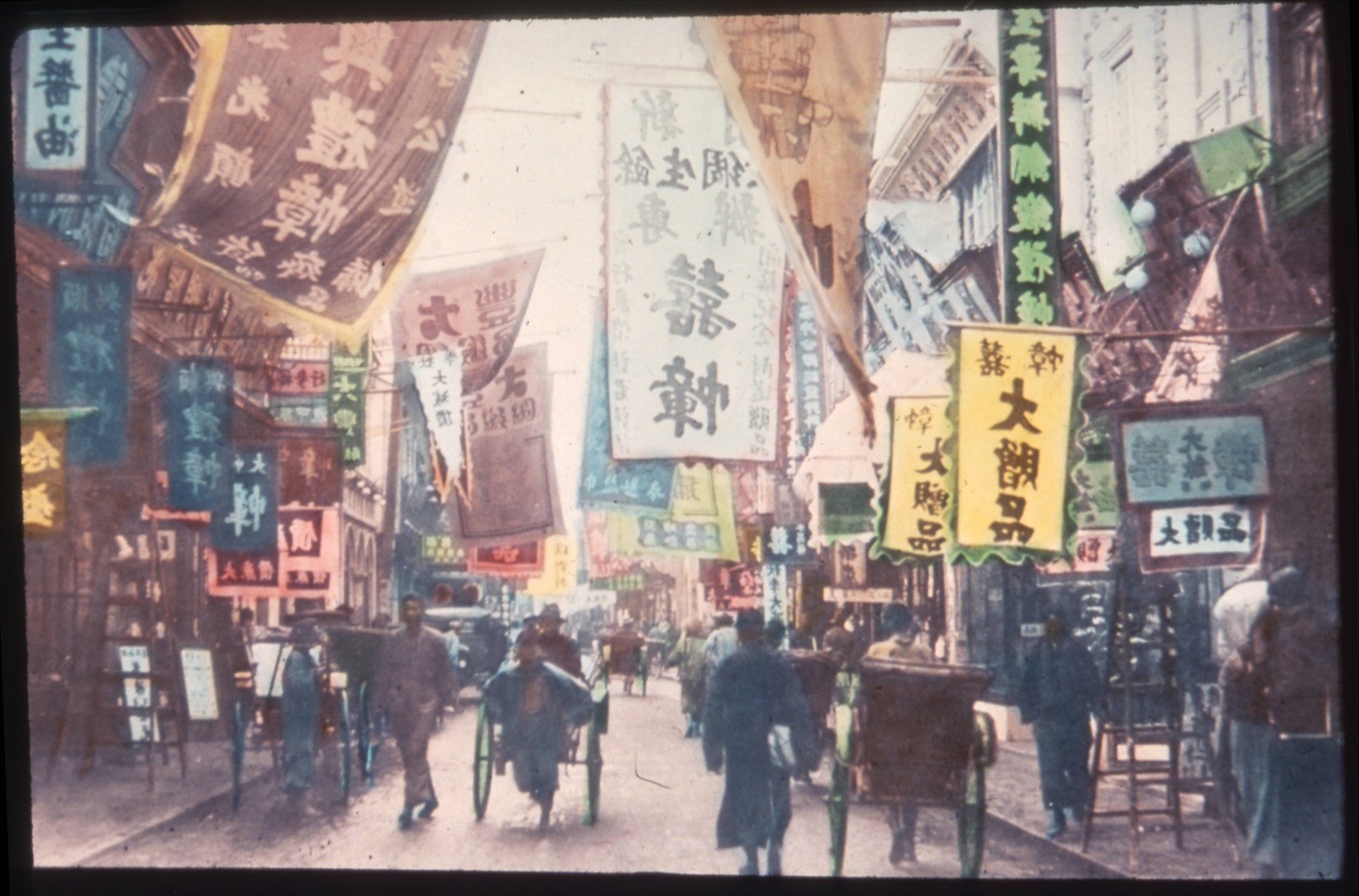
Trams, gaslight, paved roads: the settlement skyline reads as modern. The lilong lanes beside the tracks are where most of the city actually lives.
1910s2
1920s6
1921A party founded in a shikumen house
The Chinese Communist Party holds its first congress in a shikumen house in the French Concession — on a block that, eighty years later, becomes Xintiandi.
1927Special Municipality
Shanghai becomes a special municipality under the Nationalist government; the concessions remain foreign-run islands inside it.
1930s5
1932Tranquil Light is completed
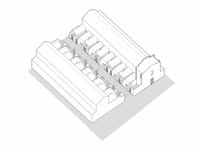
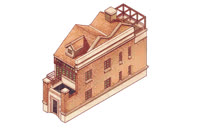
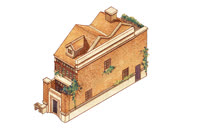
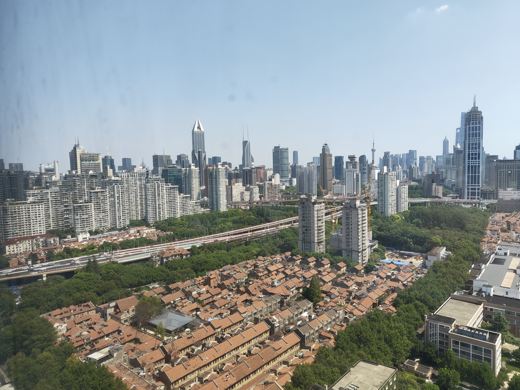
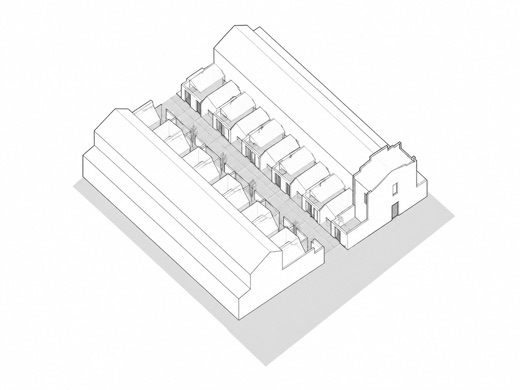
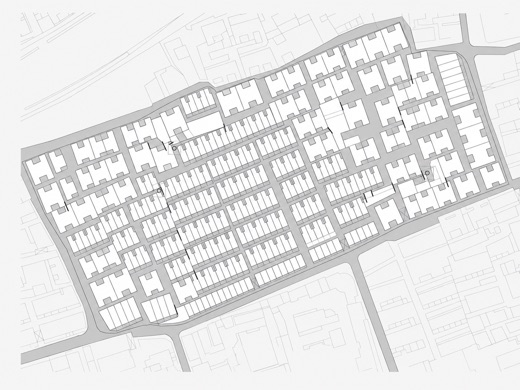
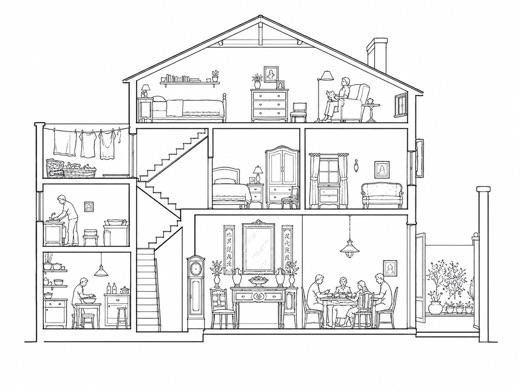
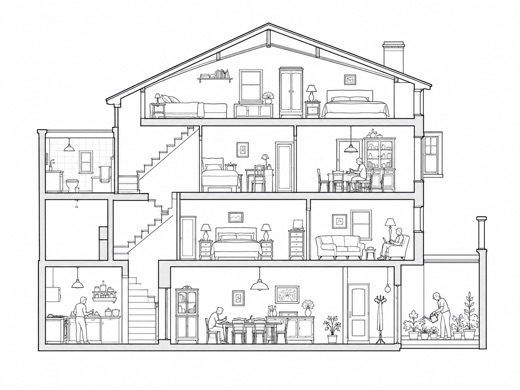
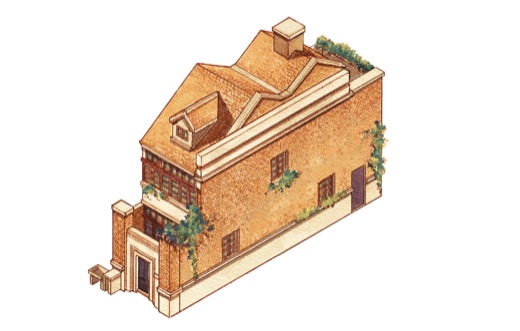
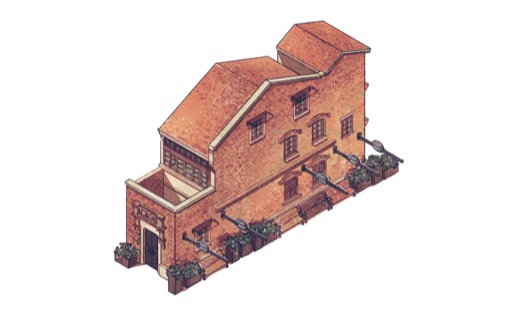
Built 1928–32 in the International Settlement: 163 three-storey townhouses around a perimeter of shops, about five hundred residents. The 'Hong Book' directory lists them.
1935Three million people in lilong
By the mid-1930s there are more than two hundred thousand lilong houses. To say 'I live in Shanghai' is, for most people, to say 'I live in a lilong.'
1937War
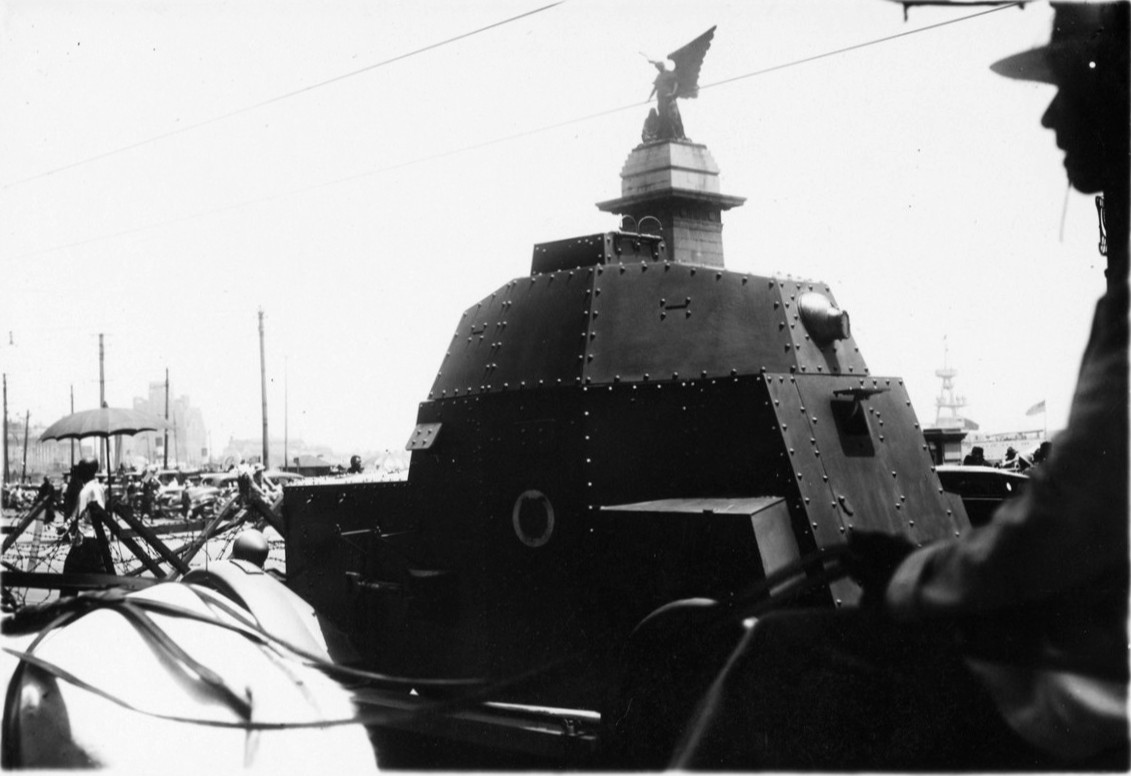
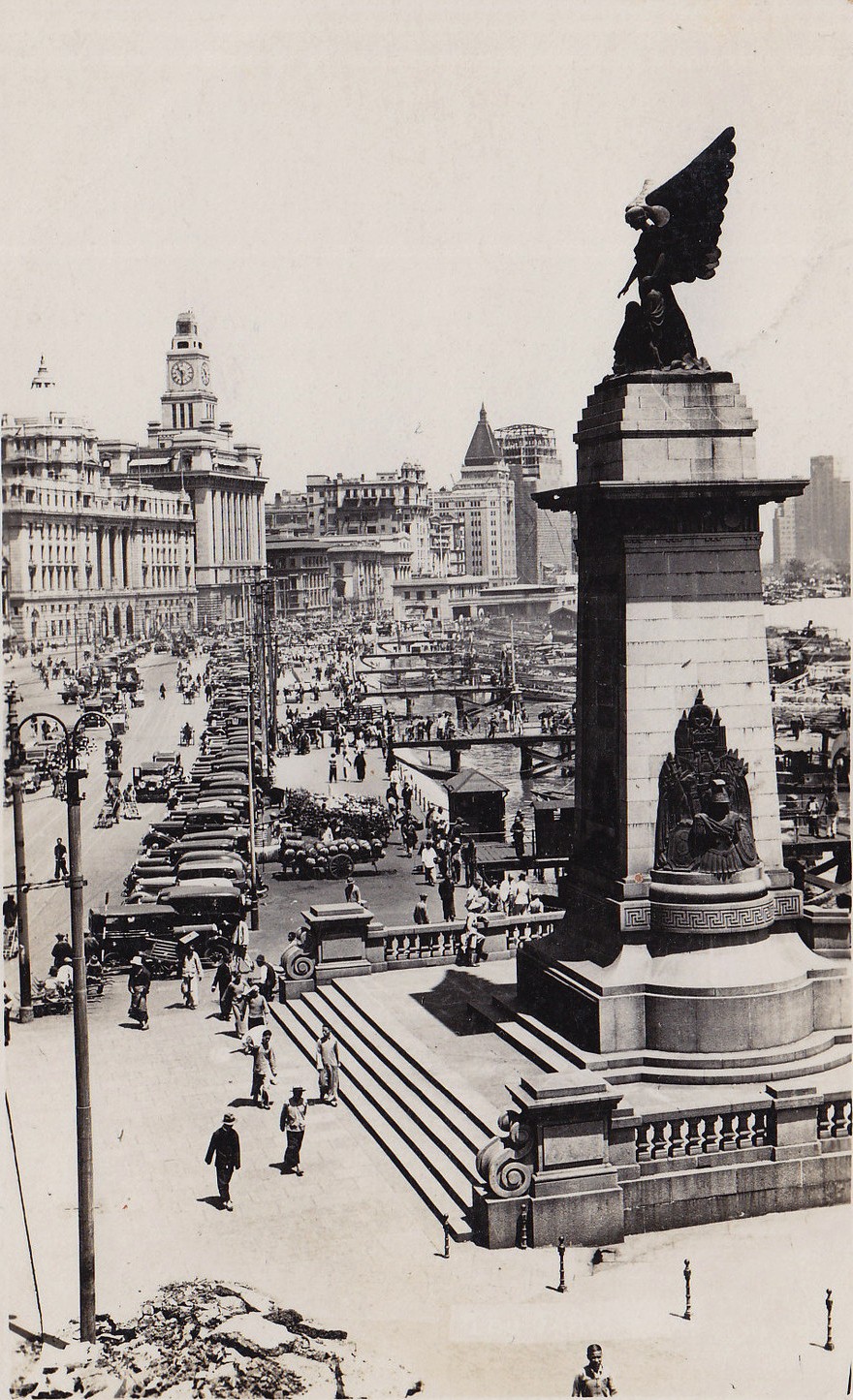
The Battle of Shanghai; Japanese occupation of the Chinese city, then in 1941 of the settlements. The concessions are formally surrendered in 1943.
1940s
1949Liberation — and subdivision
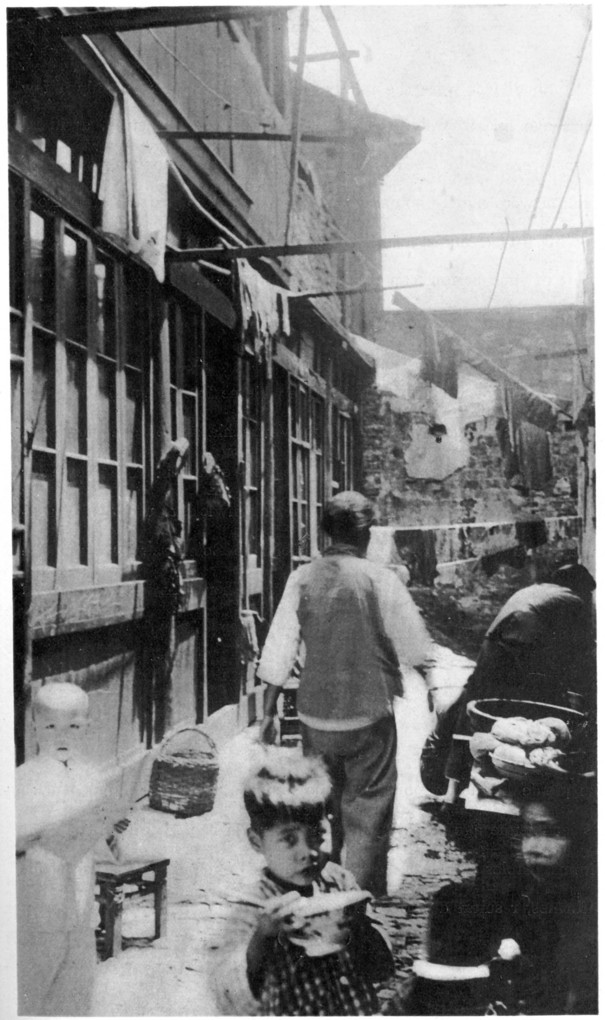
The People's Republic. Private housing is nationalised; work units redistribute the houses. Where one family lived, three or four now do. Walls go up across parlours. No new lilong is built again.
1950s
1960s1
1963One square metre
The author's future landlord reverses the hinges of a pavilion-room door to gain a square metre — so his children 'no longer had to put their legs on top of each other when they slept.'
1966Cultural Revolution
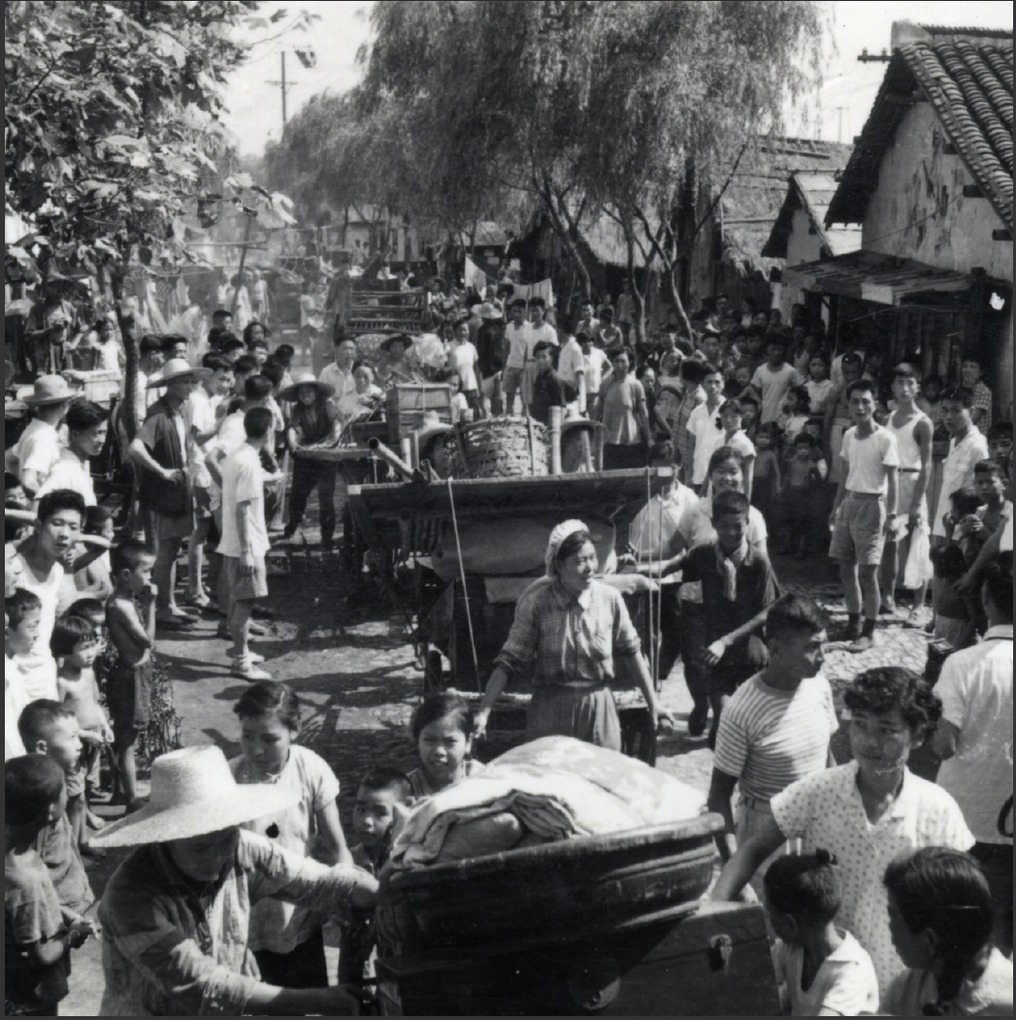
1966–76. Hard on the landlord, hard on the tongxue network; it is the decade most of the older residents measure 'before' and 'after' against.
1970s
1978Reform
Reform and opening. It reaches central Shanghai in the 1980s as a wave of demolition: the tired, subdivided lilong are suddenly a problem on suddenly valuable land.
1980s2
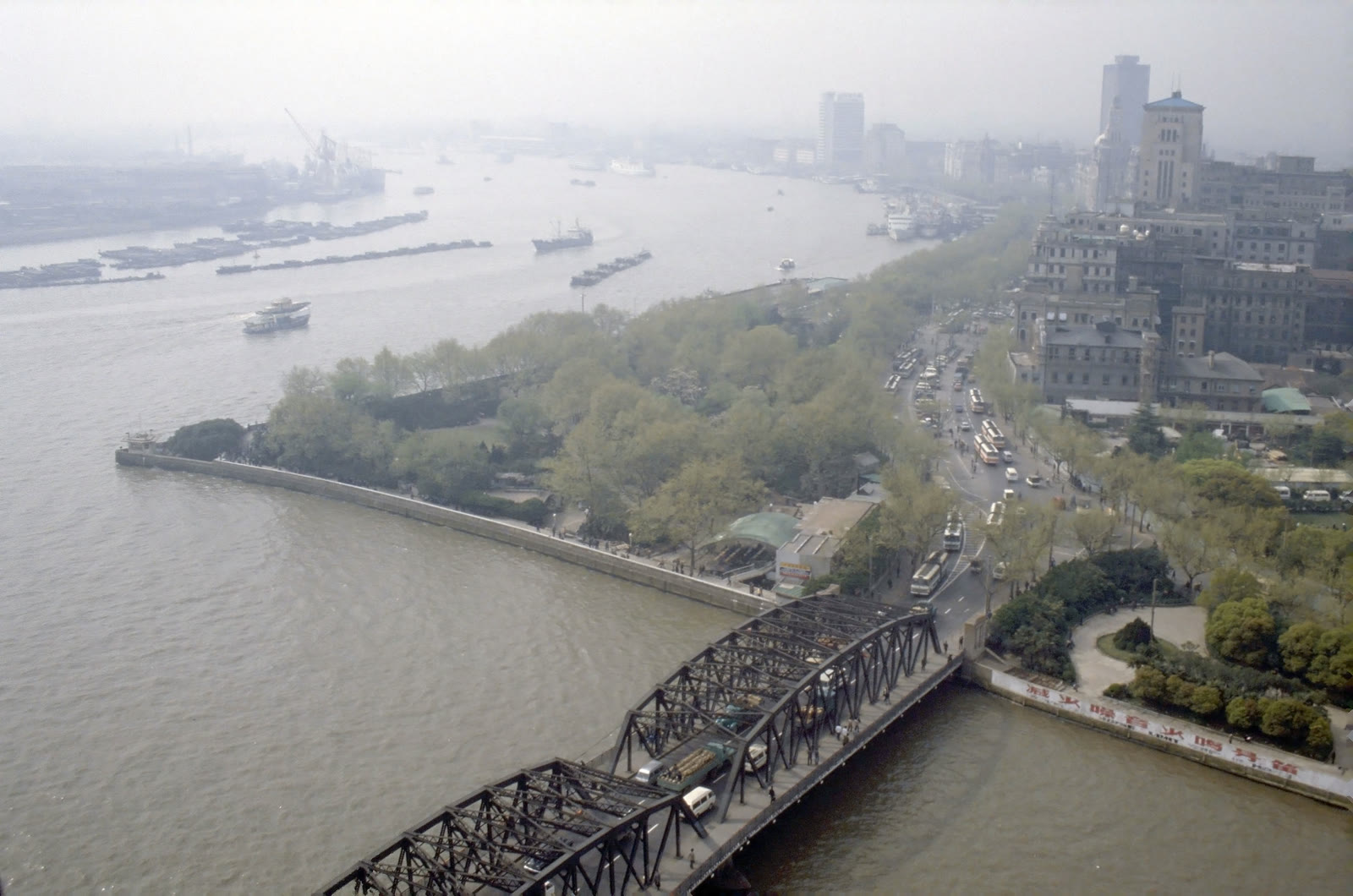
1990s2
1990Pudong
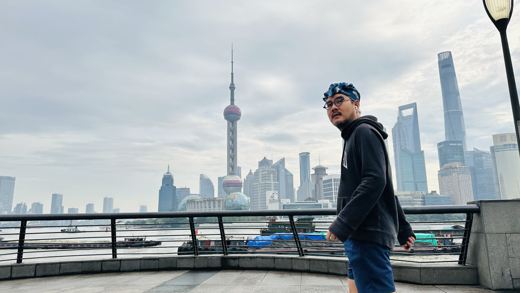
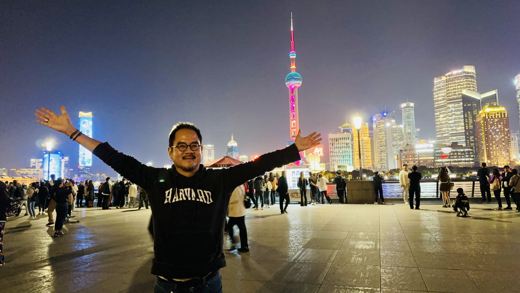
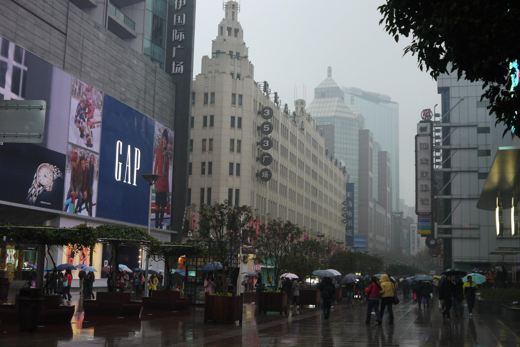
The Pudong New Area is declared. Across the river, a skyline built to be looked at from the Bund. 'Better a bed in Puxi than a house in Pudong,' the compound says.
1993The metro opens
Line 1, on the Puxi side only. Thirty years on, the most extensive urban rail network in the world.
2000s4
2001Xintiandi
A lilong block rebuilt from the ground up as a retail district that looks like old Shanghai — designed, its architect said, after the hill towns of Tuscany. 'Go there if you want the real Shanghai,' Mr. Zhang tells the author.
2004Listed
The district extends protection from single buildings to whole compounds. It is the only reason Tranquil Light is still standing when the author moves in.
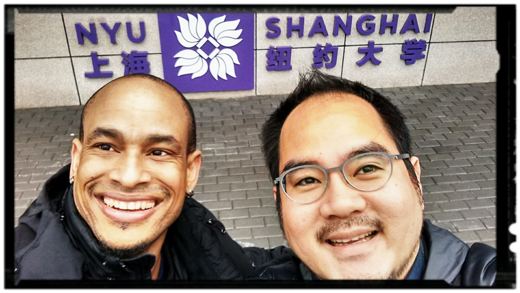
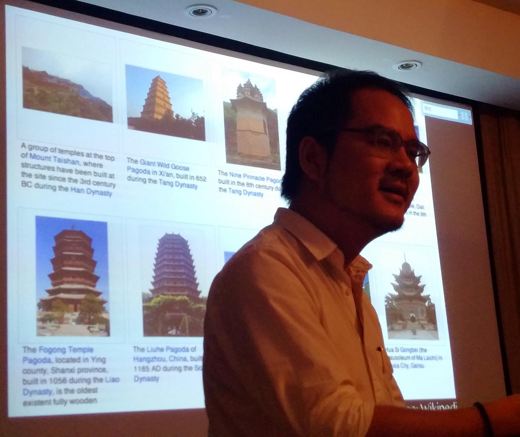
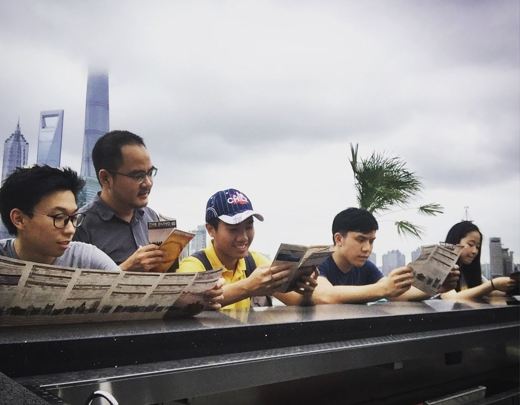
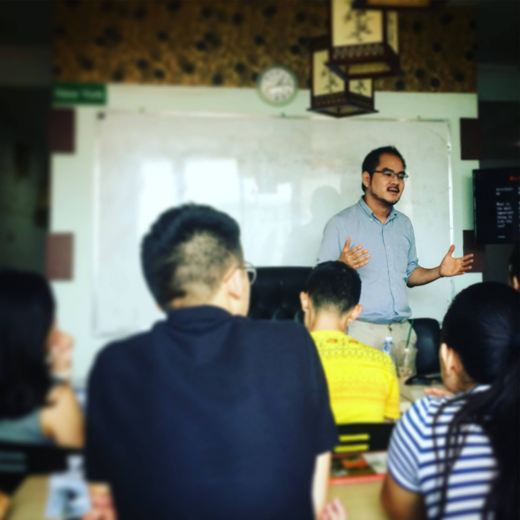
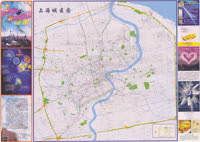
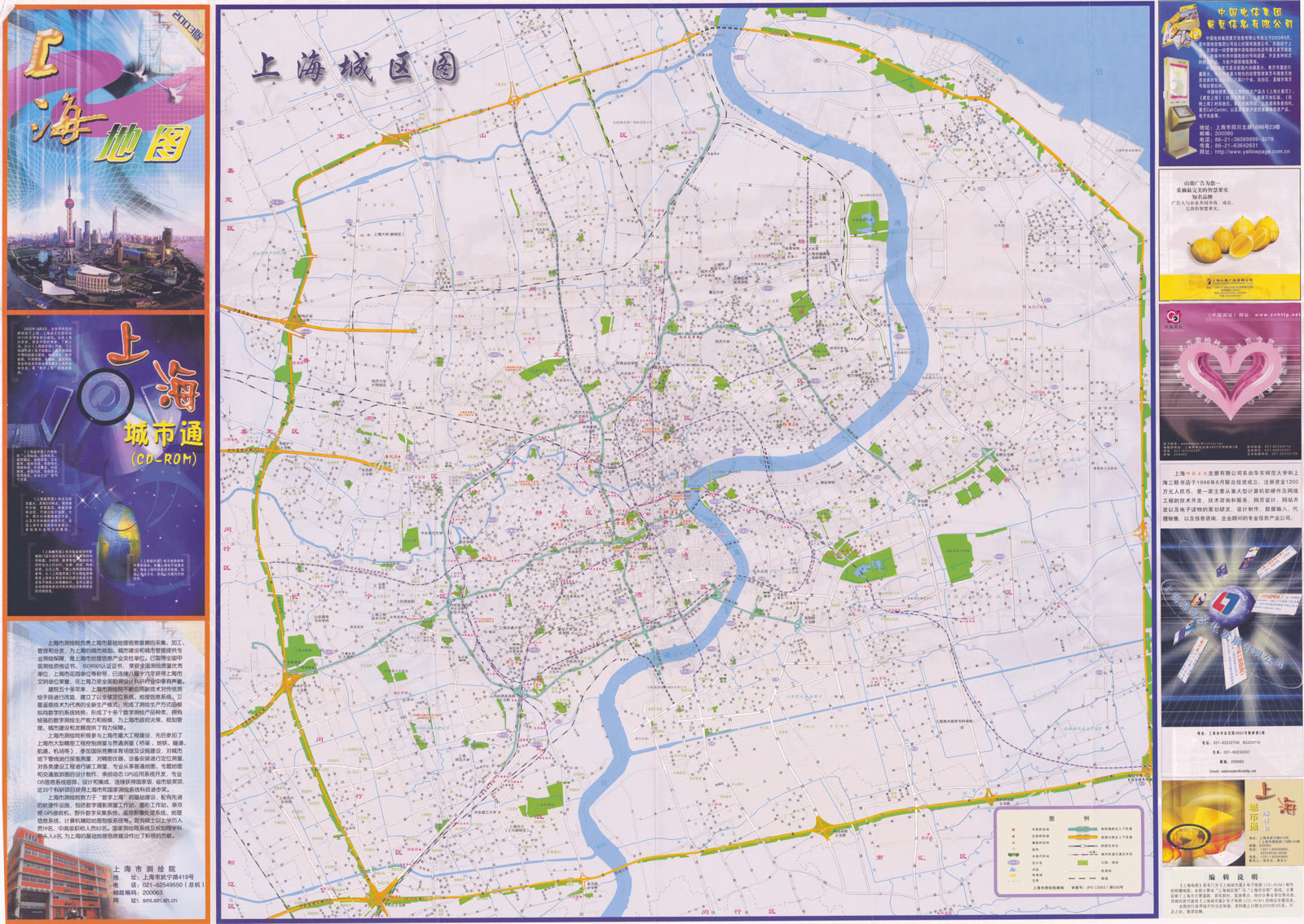
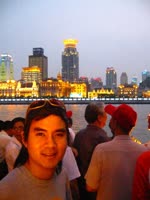
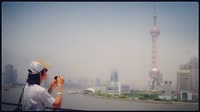
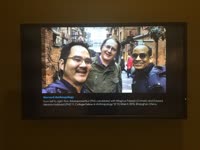
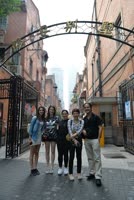
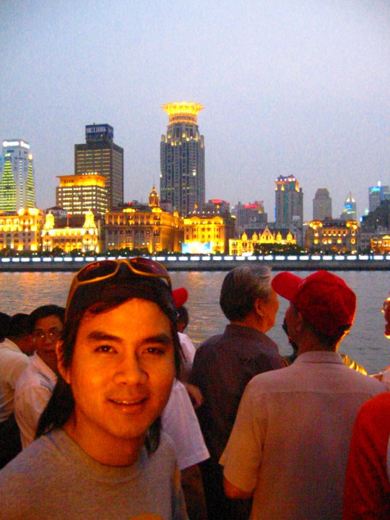
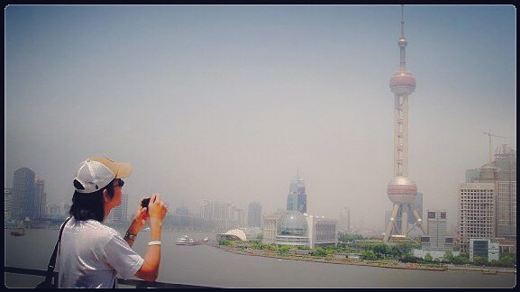
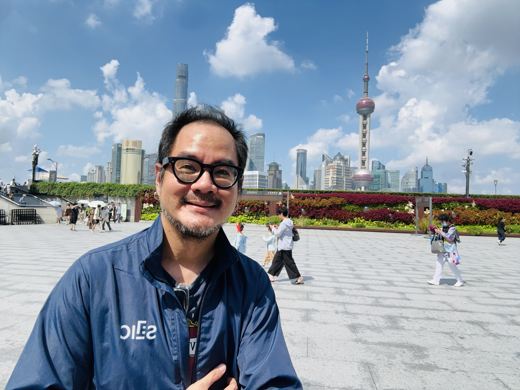
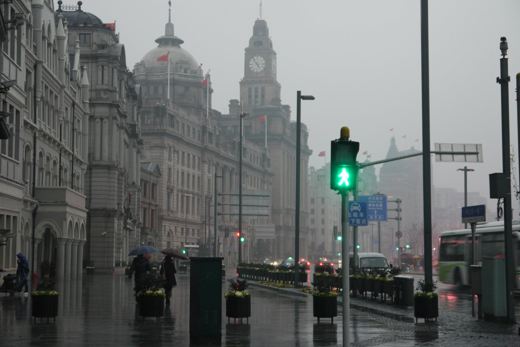
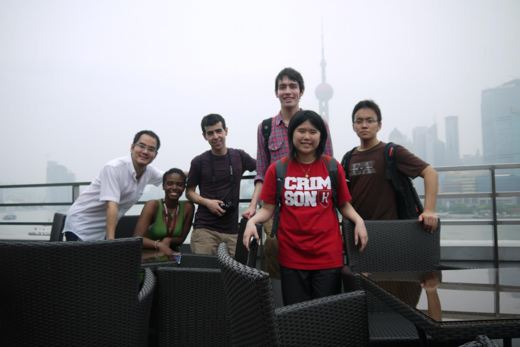
2006First week
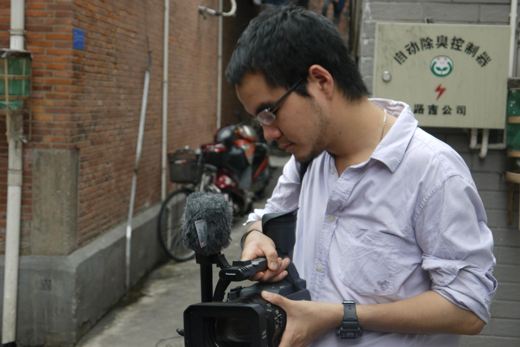
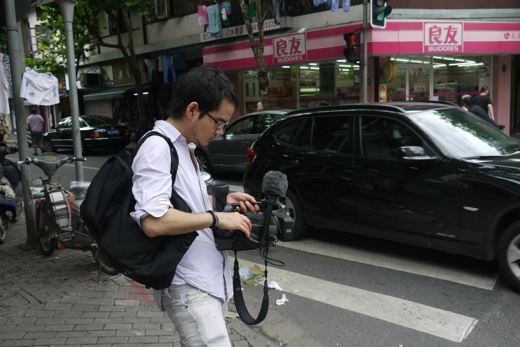
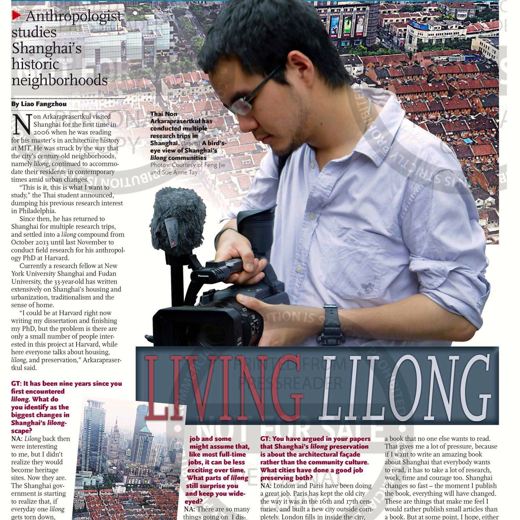
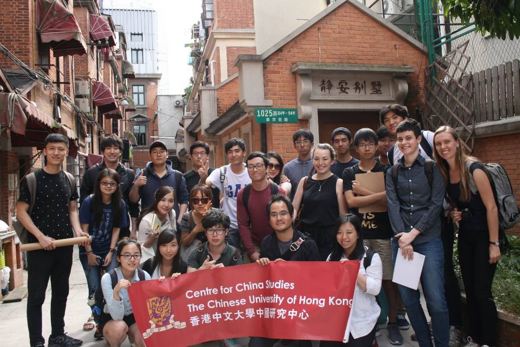
The author's first week in Shanghai, with an MIT–Tsinghua studio. He leaves with a small obsession.
20061
2006First week
The author's first week in Shanghai, with an MIT–Tsinghua studio. He leaves with a small obsession.
20071
2008
2009
20102
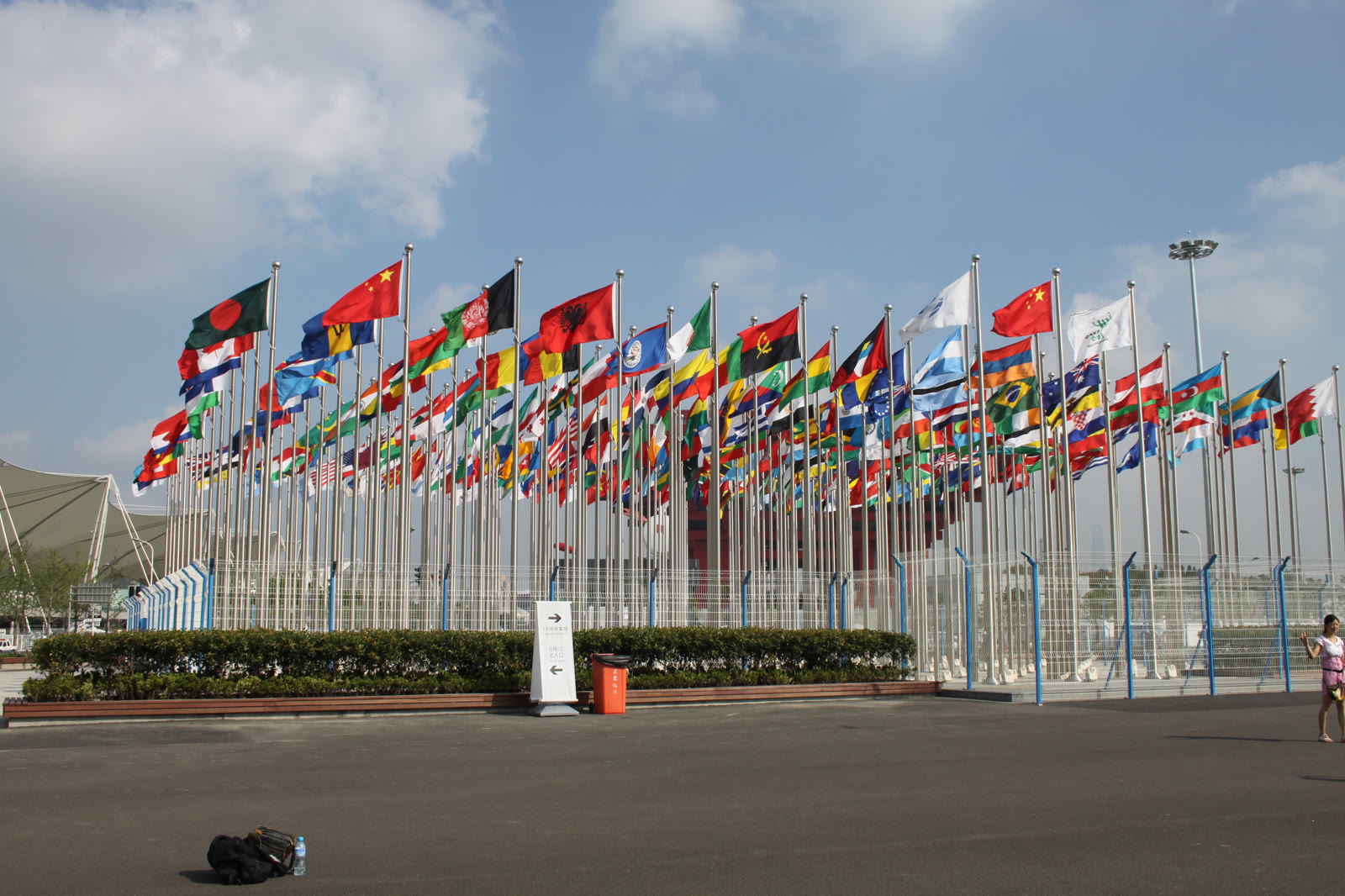
2010Expo — 'Better City, Better Life'
The compound's brick is repointed and its gates rebuilt for the Expo's visitors. The outside is preserved. The inside is not.
201110
20123
201315
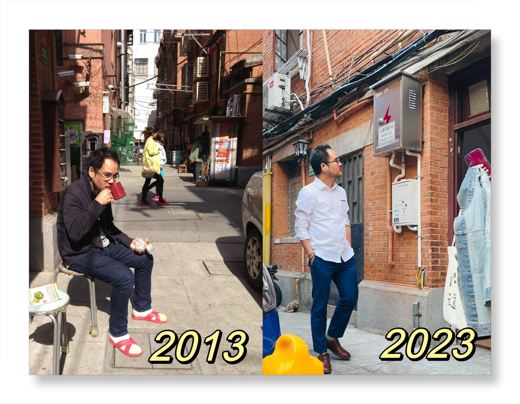
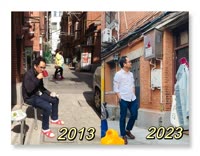
2013The pavilion room
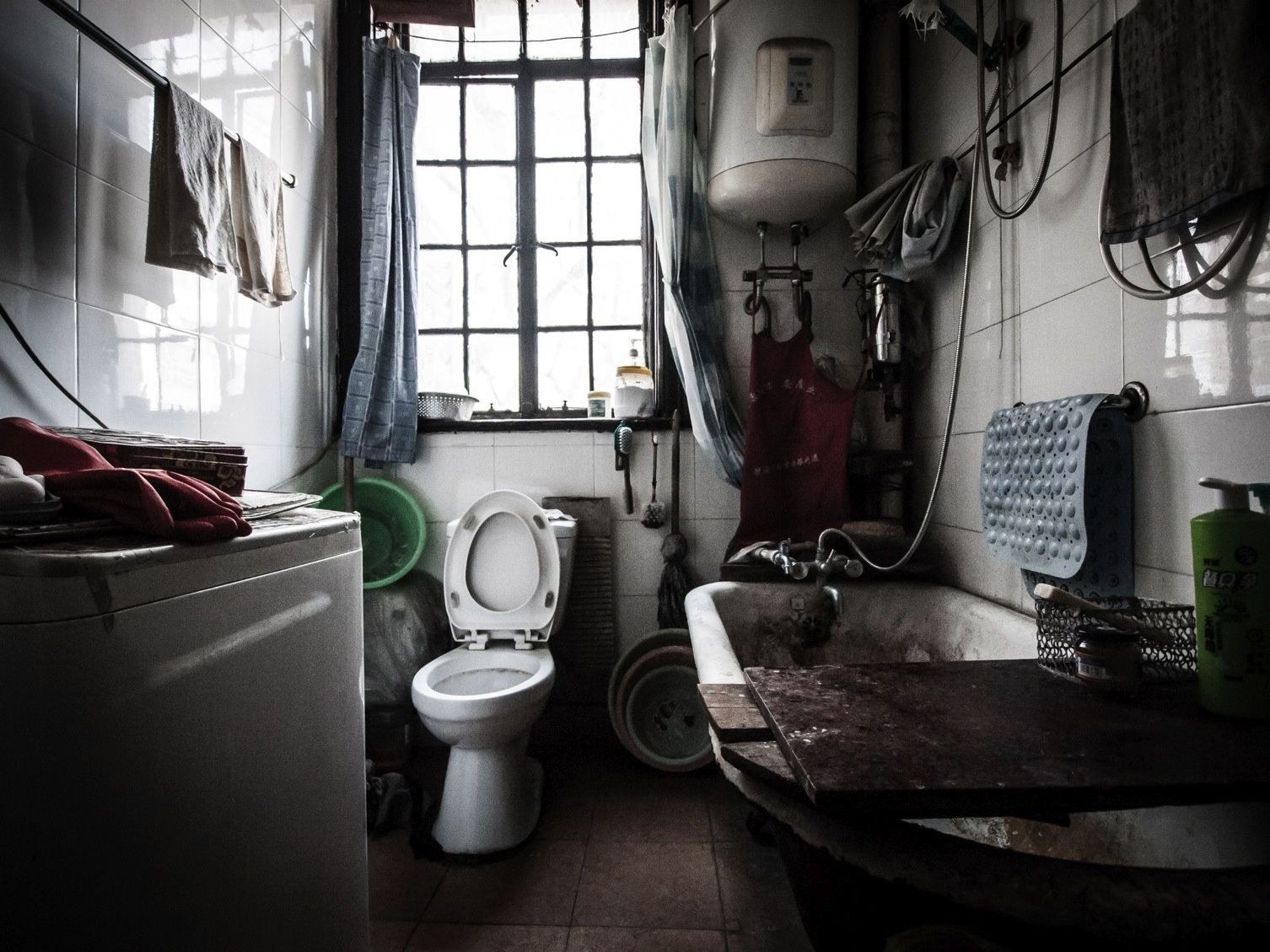
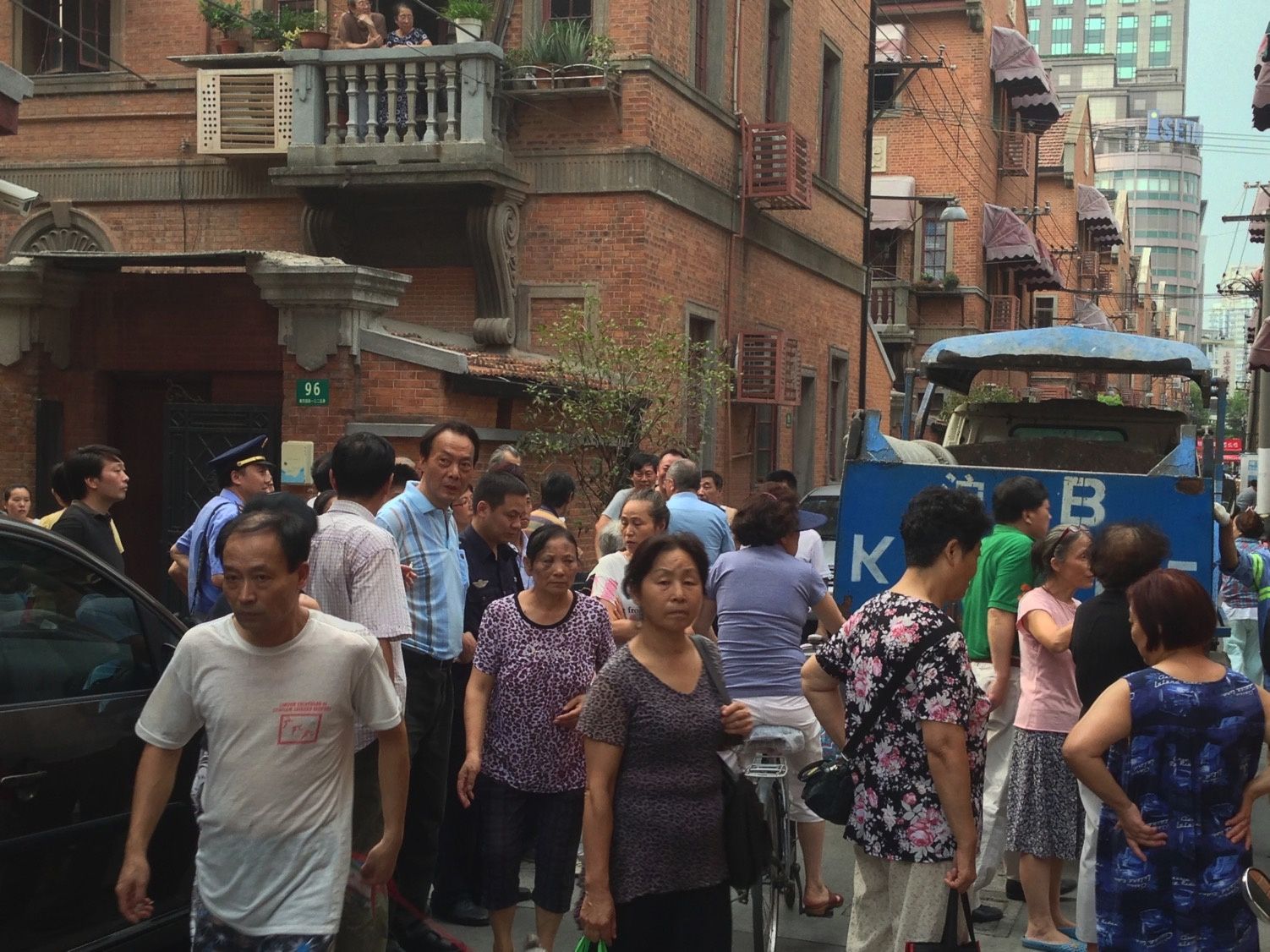
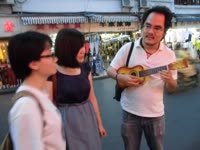
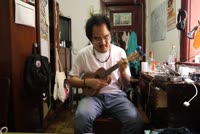
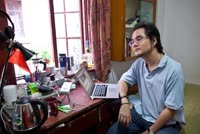
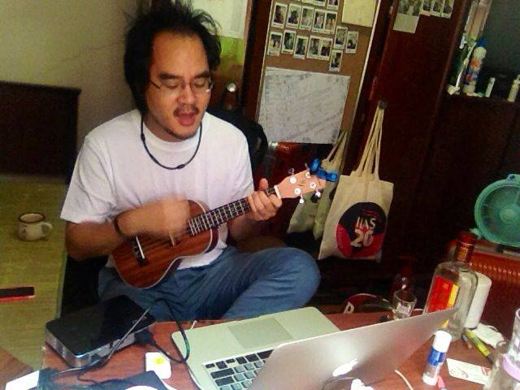
Sixteen months begin in eight square metres above a stair landing. In the autumn, two dozen chengguan march through the south gate and close the perimeter shops in four hours.


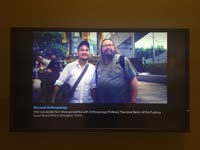

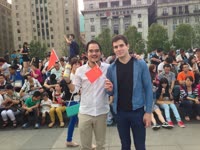
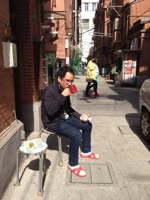
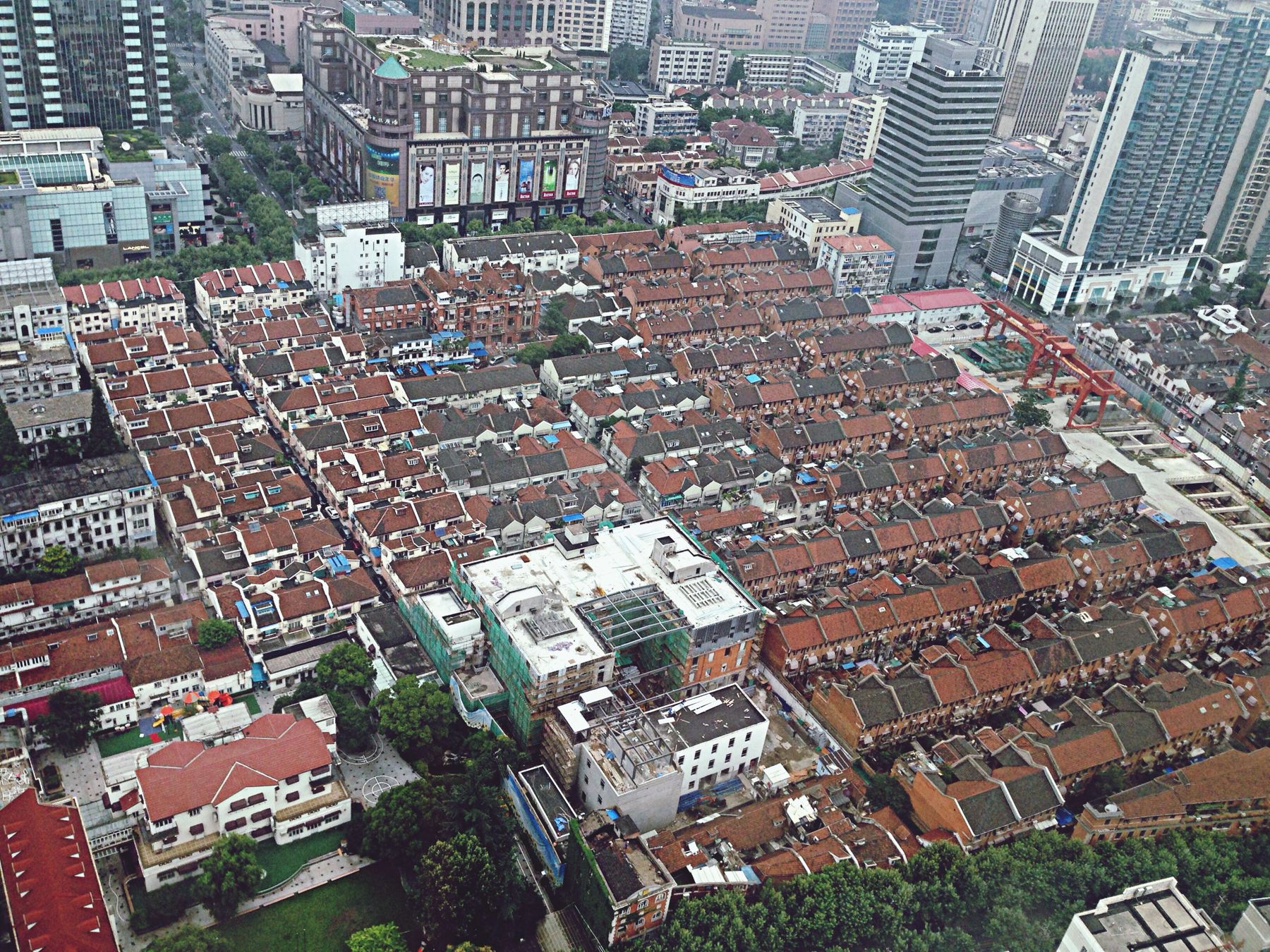
201429


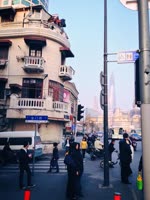

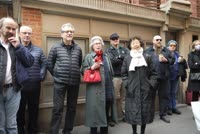
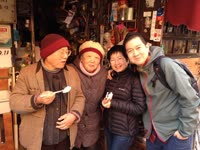

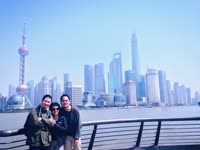




201517





20166
2016Leaving
Two suitcases down a second-floor landing. The defence; the dissertation that will wait a decade to become this book.

2017
20184
20191
2020
2020The border closes
For a Thai national with a research visa, China is closed until well into 2023. The longest gap in the author's Shanghai life — the empty years on this line.
2021
2022
202311
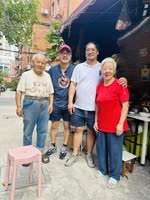
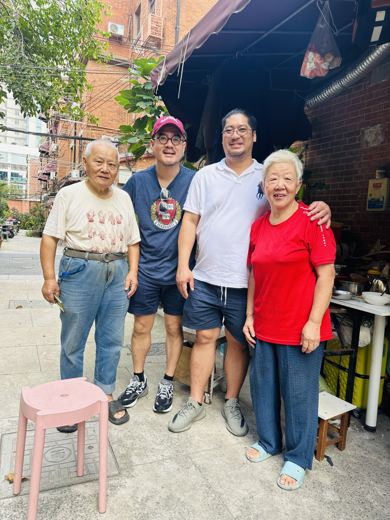
2023'Is that the Thai boy who lived here?'
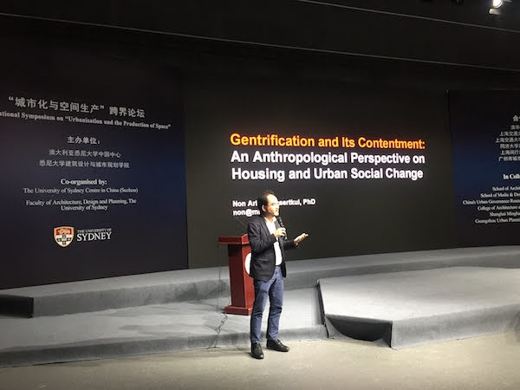
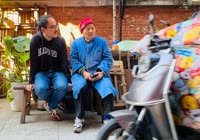
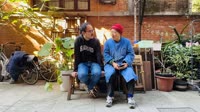
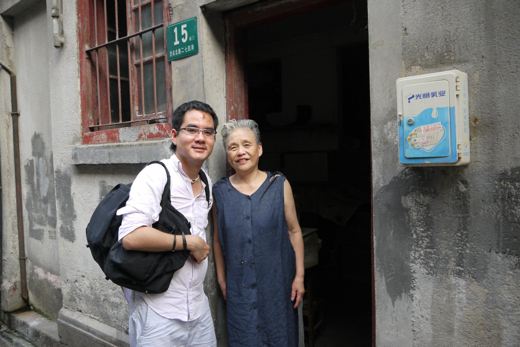
The return, in a conference suit with a too-large suitcase. An old neighbour stands up from her stool. Someone produces another stool.





20245
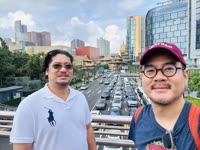
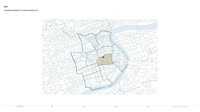

202512
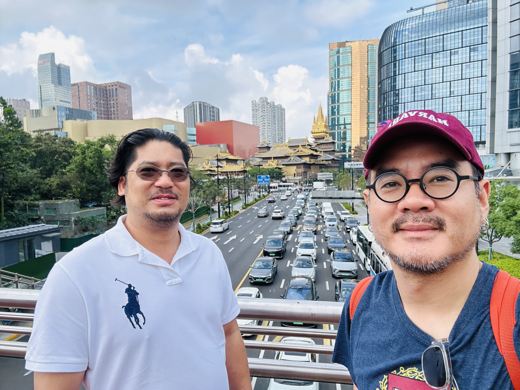
2025A shikumen block walks
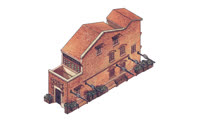
In Jing'an, a 7,500-tonne shikumen complex is carried off its site on 432 robots so a mall can be dug beneath it, then walked back. What formal heritage capture looks like when it has money and machines.
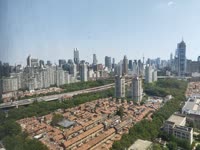










202614
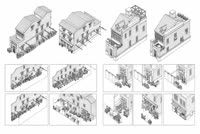
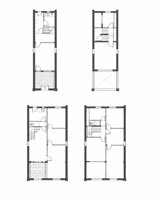
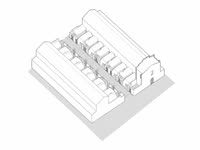
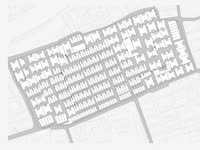
Event lines draw on the manuscript and on Wikipedia, 'Timeline of Shanghai' (CC BY-SA 4.0).
The shape of the fieldwork
Images per year. The two peaks are the sixteen months in the pavilion room and the return, a decade later.
By chapter
The same images, filed under the passages they belong to.
Prologue — Shanghai Before Shanghai
18 images · each one belongs to a passage in this chapter

Introduction — Where Do You Live?
10 images · each one belongs to a passage in this chapter
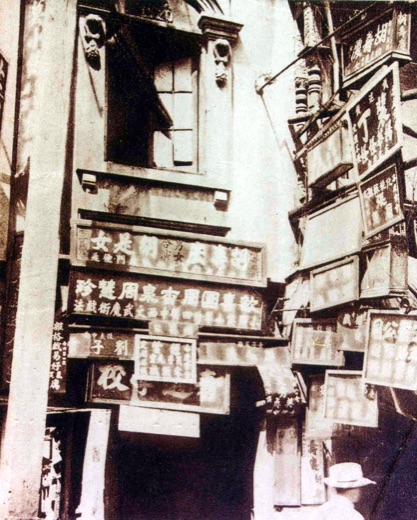
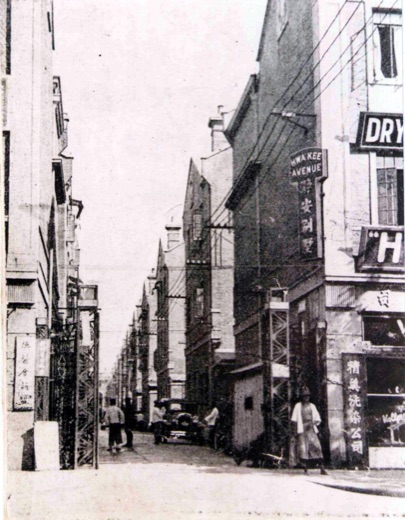
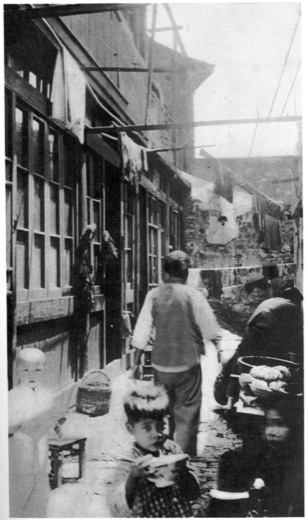
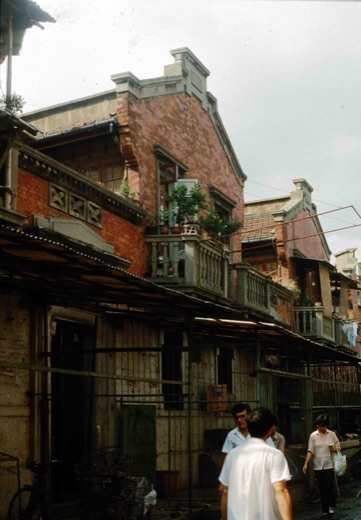
Chapter 1 — A Community at the Centre of the World
24 images · each one belongs to a passage in this chapter
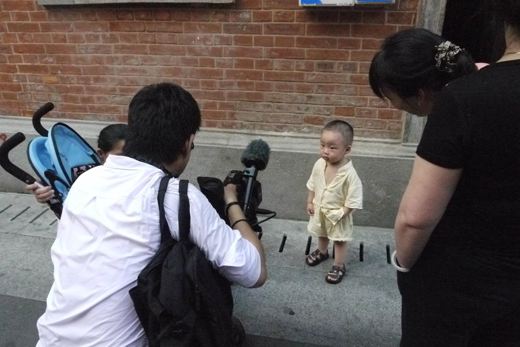
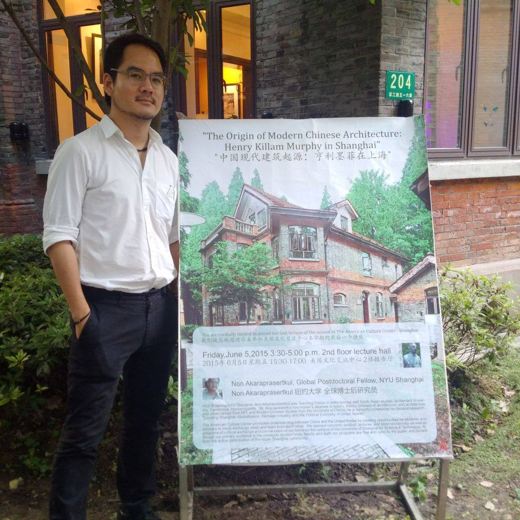
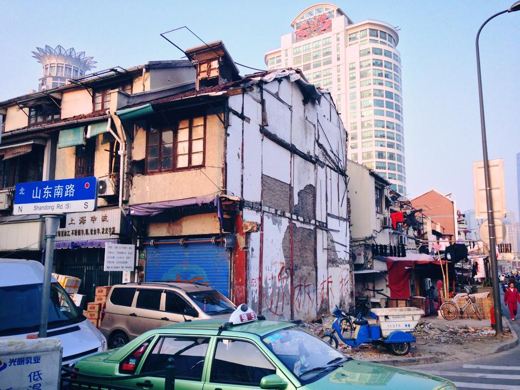
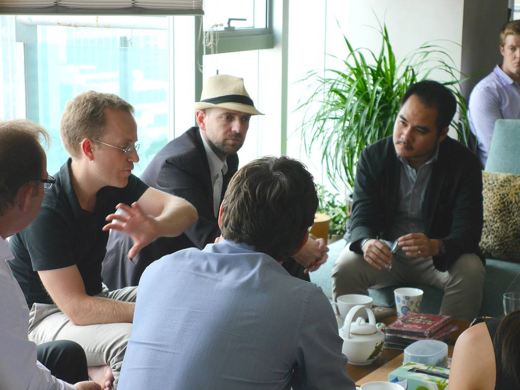
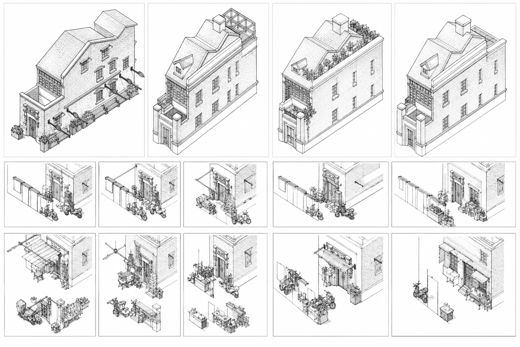
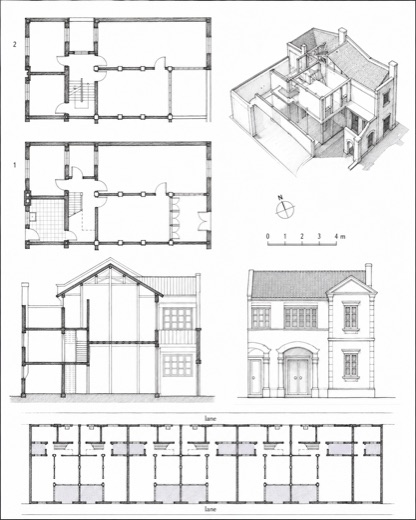
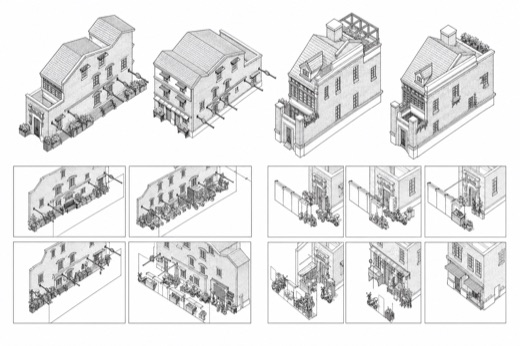
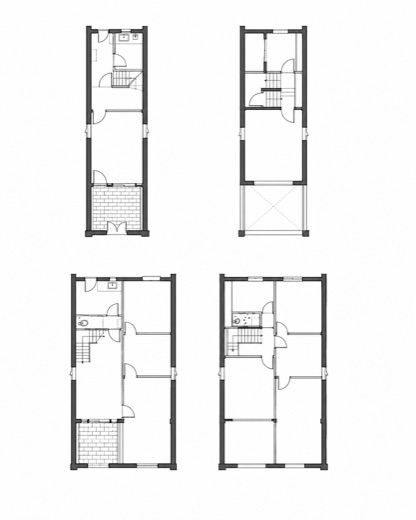
Chapter 2 — Traditionalism as a Way of Life
5 images · each one belongs to a passage in this chapter
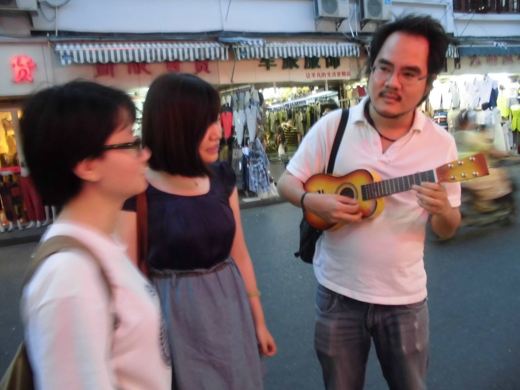
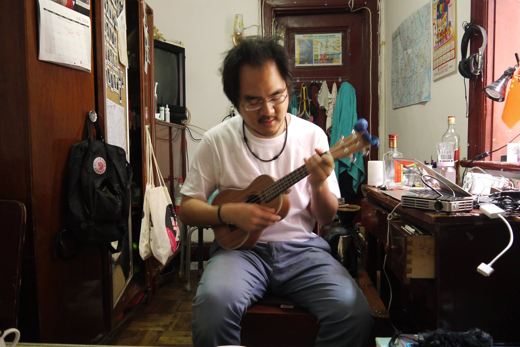
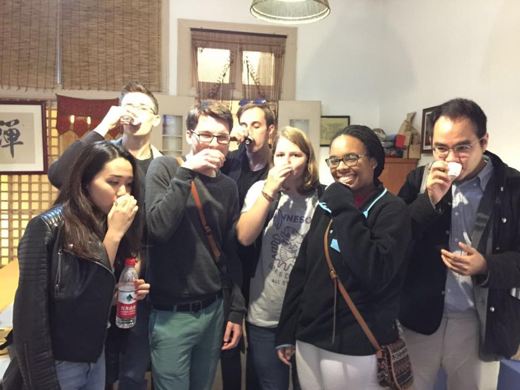
Chapter 3 — A Sad Trope: Inside the Pavilion Room
7 images · each one belongs to a passage in this chapter
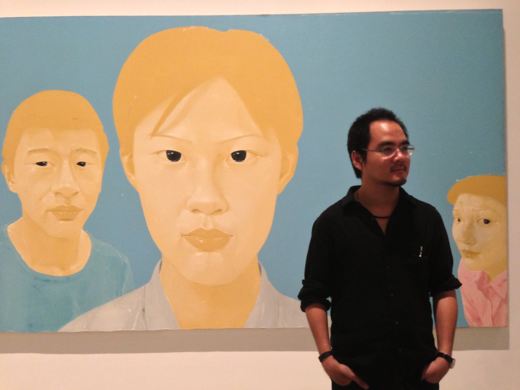
Chapter 4 — Street Corner Society and Displacement
7 images · each one belongs to a passage in this chapter

Chapter 5 — Gentrification from Within
10 images · each one belongs to a passage in this chapter
Chapter 6 — The Rise and Fall of the Value-Added Economy
5 images · each one belongs to a passage in this chapter
Chapter 7 — The Meaning of Being a Man
5 images · each one belongs to a passage in this chapter
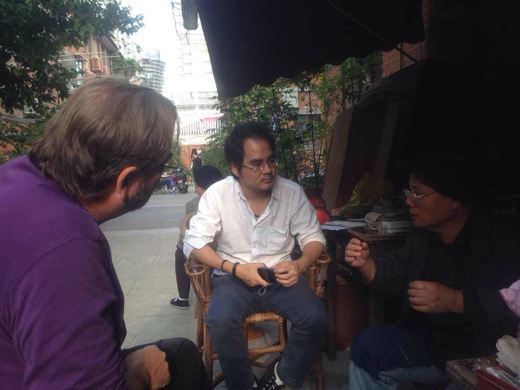
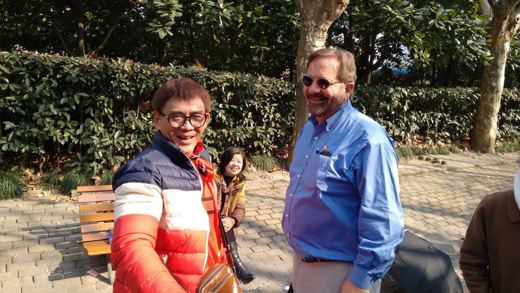
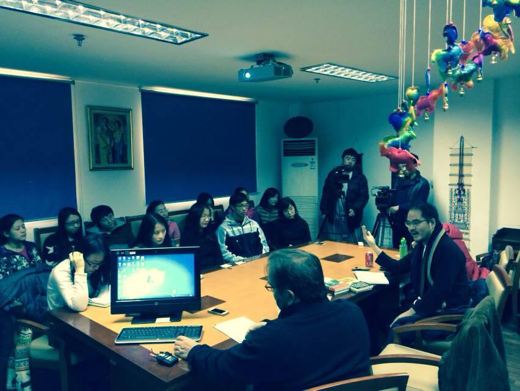
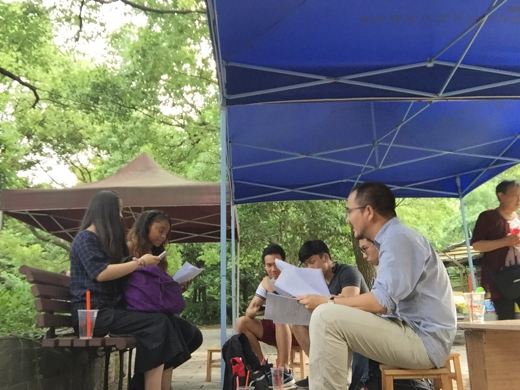
Conclusion — Reading the City Slowly
12 images · each one belongs to a passage in this chapter









Acknowledgments
31 images · each one belongs to a passage in this chapter